"I had a recurring nightmare when I was a kid — I must have been four-ish — a nightmare about being chased by a very frightening something and my heart is beating out of my chest. In the dream I'm desperate to get the cellar door open, but this thing is right behind me. And I finally turn. And it's my father. And his face is hot on my face and his hands are out: murder. That's all it is: he will kill me. And that went on and on and on. And then just this week, here I am seventy years later, and the dream came back, and even in the dream I was stunned to be dreaming this again! The same thing happened and — this sounds like a TV movie of the week; can't be helped — I did something I never did before. I turned around and there he was, but I stood my ground and his face was so close to mine and his nose was pressing my nose and then I saw that he was laughing — that it was a joke..." ¹
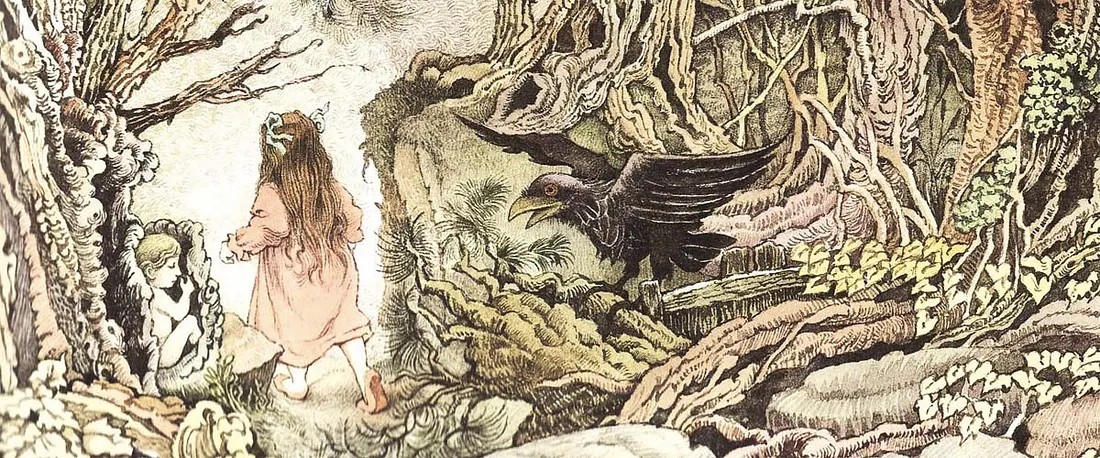
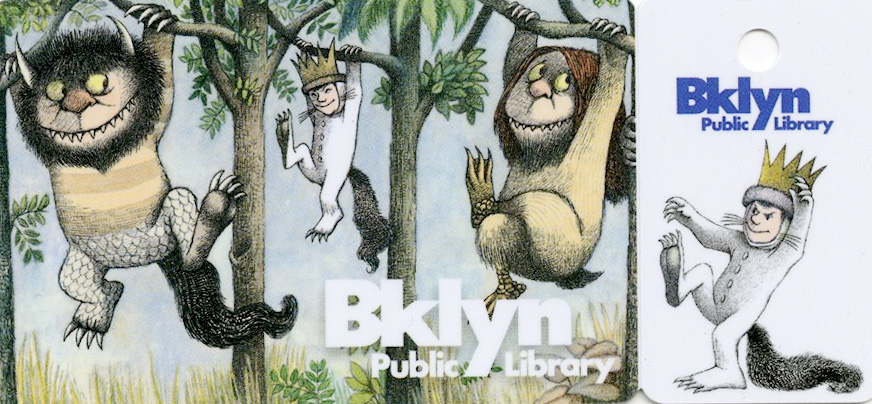
Maurice Sendak (1928-2012) was an illustrator, author, and designer best known for his classic children’s book Where the Wild Things Are, a Caldecott medal winner that follows a young boy to an island of wild monsters, where he rules as king before returning home for dinner. Sendak’s characters often find themselves in mortal danger. In the Night Kitchen follows a boy who falls out of bed and into a mixing bowl, where three bakers working in a dark, dreamy kitchen almost bake him alive. Perhaps the most disturbing is Outside Over There, where a moment of distraction leads to the kidnapping of a small girl by goblins, who replace her with a child made of ice. Stories of adventure, unexpected visits to unknown lands, and narrow escapes pulse with tension, loss, bargaining, and unreliable caregivers.
Sendak was a sickly, anxious child, growing up Jewish and gay in 1930s New York. The long shadows of his youth- the Holocaust, his mother’s mental instability, the Lindbergh kidnapping, and his role in the death of a young friend- followed him into adulthood and seeped into his work. In honor of Pride Month and what would have been his 98th birthday, we’re taking a look at his childhood in Brooklyn.
Sendak’s parents, Philip and Sarah Sendak, immigrated to the United States from Poland. Philip was the son of the town rabbi, and after falling in love with a woman, collected money from his siblings to follow her to America, upsetting his family so much they sat shiva for him. Sarah was also the daughter of a rabbi, sent to America because “her mother couldn’t bear her anymore.” ² In 2003, when asked about his parents’ relationship, Sendak explained, “Whether love was involved in it--maybe, if you were lucky, maybe not--but the point was to pool your money and bring everybody over as fast as you can because most of them knew what was going on and what was about to happen. So, it began with my mother's family, and she got her mother, and she got two sisters and a brother missing--the same amount of sisters and brothers--that she never got over. My father got no one, because by the time they got to my father, it was way too late to get anybody.” ³
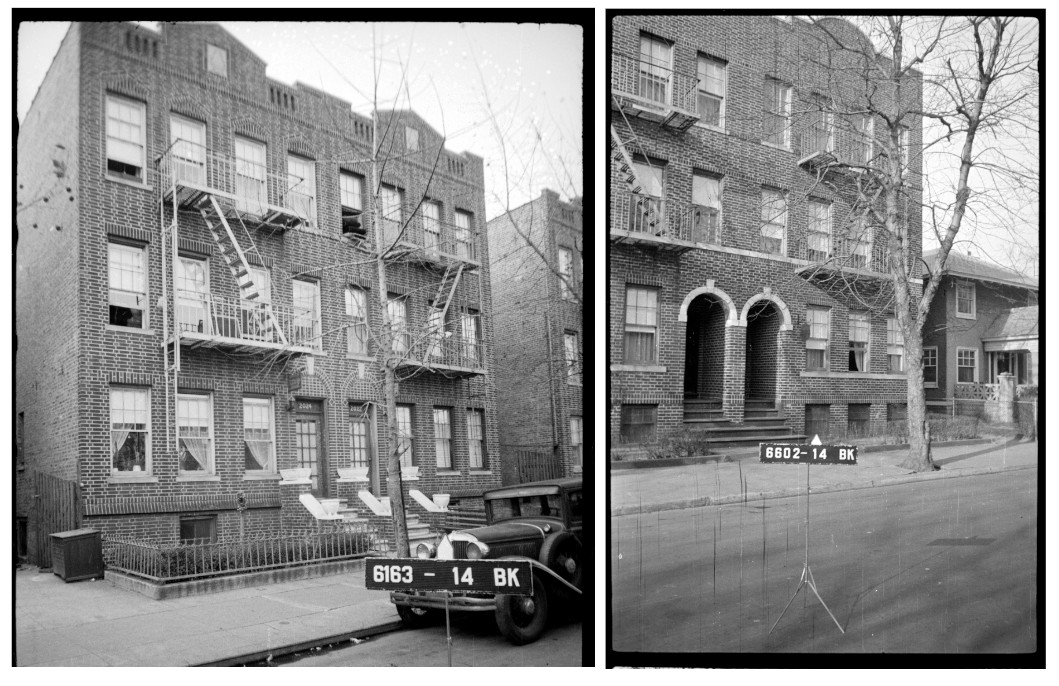
Whether there was love, or a transactional, financial arrangement to rescue their family from the looming threat of Nazism, the family soon welcomed three children: Jack, Natalie, and on June 10, 1928, Maurice. In the summer of 1928, the family was living at 2022 69th Street in Bensonhurst, where Yiddish was the household language. Sendak quickly fell ill, suffering through bouts of scarlet fever, measles, and pneumonia. Fearing for his life and drawing on the superstitions of her home country, his grandmother sewed him a white suit paired with white stockings and white shoes, hoping if God glanced down, he would mistake the boy for an angel, already dead, and pass him by. Dressed in white, he was confined to his home, staring out the window until “the window became my movie camera, my television set.” ⁴
When Sendak was four years old, Charles Augustus Lindbergh Jr. was kidnapped from his home in East Amwell, New Jersey. This had a profound effect on him and his own sense of safety and security. He later explained in an NPR interview, “...the true anxiety is, will I be taken away? Will my parents be taken away? When papa goes to work, does he really come back at night? If mama leaves, how do I know she's going to come back into the room?” ⁵ It’s no surprise the panicked, reoccurring dreams began at this time.
"I've been carrying this around since childhood and frankly wanting to rid myself of it, the Holocaust, and memories of childhood and my parents suffering and no childhood--there was no such thing as childhood, you know?" ⁶
These fears were made worse under the care of his mentally unstable mother. Later in life, Sendak often described his mother Sarah as “crazy” but it’s unclear if she ever received a formal diagnosis. The underlying condition seems to be endless, all-consuming anxiety. Everything was a problem, everything was a scolding, compounded by the helplessness of watching Poland fall under Nazi control and the eventual destruction of her family.
Sendak later spoke of her ripping out her hair, endlessly guilt-tripping him for being alive while others were dead. In a particularly sad memory, he recalled, “When I asked my best friend, Martin, to have lunch at my house, and my mother walked through the room furiously—she was always furious—he said, “Who’s that?” And I said, “We had to hire somebody.” I would not admit it was my mother. And that shame has lasted all my life. That I didn’t have the nerve to say, “That’s my mother; that’s how she is.”” ⁷
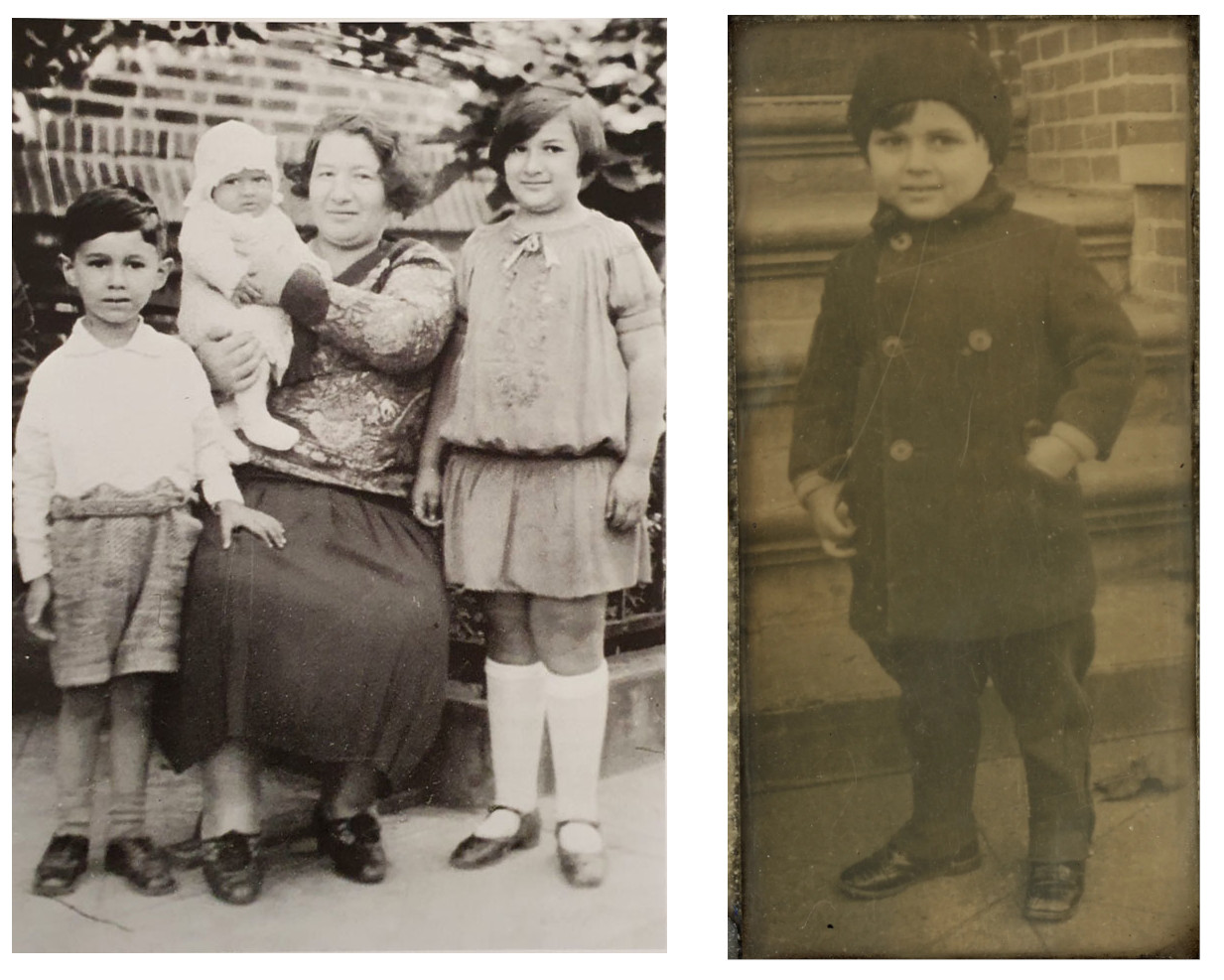
Although Sendak had fond memories of his father, the real joy and stability in his life came from his siblings, especially his brother Jack, an early creative collaborator. Jack was a talented writer, and Sendak enjoyed providing illustrations for his stories. “I had a brother who was my savior, made my childhood bearable. He was older by five years – Jack Sendak. He wrote a number of books. He was very, very, very gifted. More importantly to my life, he saved my life. He drew me away from the lack of comprehension that existed between me and my parents, and he took his time with me to draw pictures and read stories and live a kind of fantastical life.” ⁸
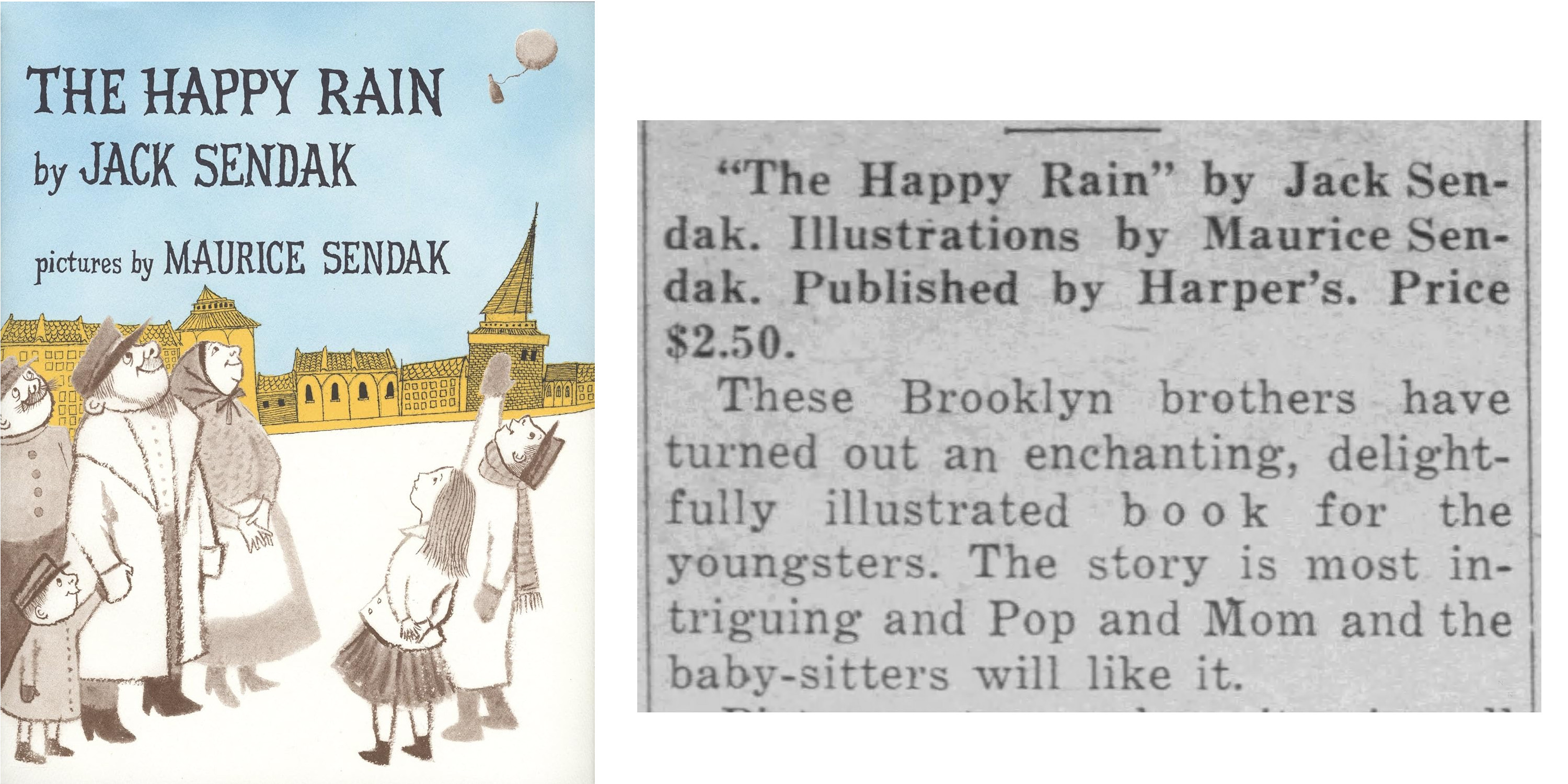
The support of his siblings would be crucial in 1934/1935, when during an ordinary game of catch in a Brooklyn alleyway, Sendak threw a ball to a friend, who ran into the street to catch it and was killed by a car. Later in life, he remembered the boy’s “funny, curved nose, short, cropped hair” ⁹, and the anguish of sitting on his front steps and being forgiven by the boy’s mother and little sister. It was a terrible accident, but at only six or seven years old, not long past hiding from God, suffering the illnesses that almost took his own life, he was forced to wrestle with the crushing guilt of having caused a friend’s death.
"I knew that I was capable — I always knew that I was capable of destruction. And if I could get through my life without destroying it would be something of a miracle.” ¹⁴
As Sendak approached his teenage years, the family’s losses suffered during Holocaust became clear. “The day of my bar mitzvah—my father belonged to a Jewish social club—he got word on that day that he had, no longer, a family. Everyone was gone. And he lay down in bed. I remember this so vividly. My mother said to me, “Papa can’t come.” I was going to have the big party at the colonial club, the old mansion in Brooklyn. And I said, “How can Papa not come to my bar mitzvah?” And I screamed at him, “You gotta get up, you gotta get up!” And of course he did. The only thing I remember is looking at him when they broke into “For He’s a Jolly Good Fellow”… And my father’s face was vivid, livid, and I knew I had done something very bad; that I had made him suffer more than he had to. What did I know?” ¹⁰
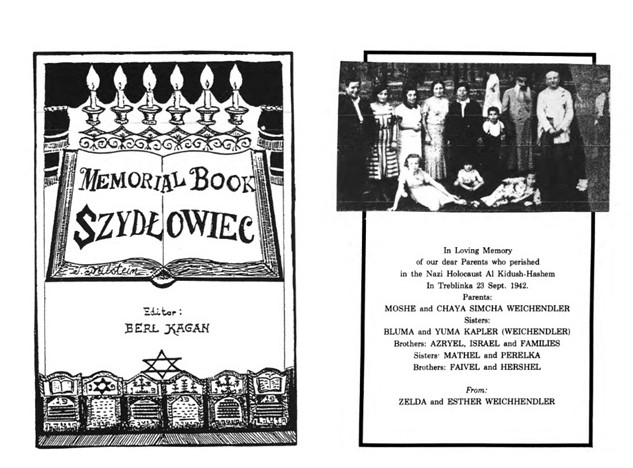
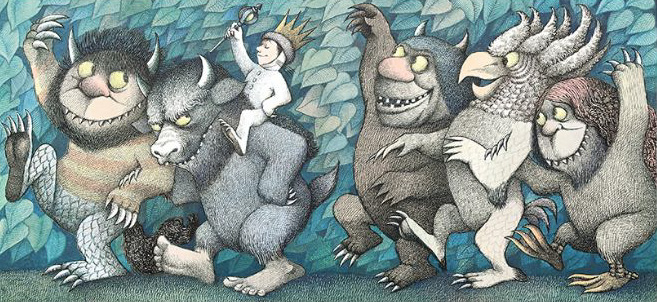
Although his father’s family was gone, some of his mother’s relatives did escape to Brooklyn and were often visitors to the Sendak home. His maternal grandmother was a frequent guest, sitting with her prayer book by the window, she told him about Poland, including memories of hiding her children in the basement while the Cossacks ransacked her family’s grocery store. Memories his mother surely also carried. Sendak’s aunts and uncles also dropped by for meals, chatting with Sendak as he examined “their bloodshot eyes and how bad their teeth were,” ¹¹ collecting inspiration for the monsters Max would find on his island adventure.
The Sendak family moved several times around Bensonhurst, Brownsville, and Borough Park, exposing him to a population outside of his Jewish relatives. “And we lived in a part of Brooklyn, which was teeming with immigrants, either people from Eastern Europe, Jews or Sicilians, and I couldn't tell the difference....And I used to run across the hall because they had un-Kosher food. It was much better, much better than Kosher food because it was - it was pasta. It was great Italian cooking. And they laughed, and they drank wine, and they grabbed me, and I sat on their laps, and they had a hell of a good time. And then you come back to my house, and you have this sober cuisine and not so rambunctious family life. And I really did have a confusion that Italians were happy Jews, that they were a sect.” ¹²
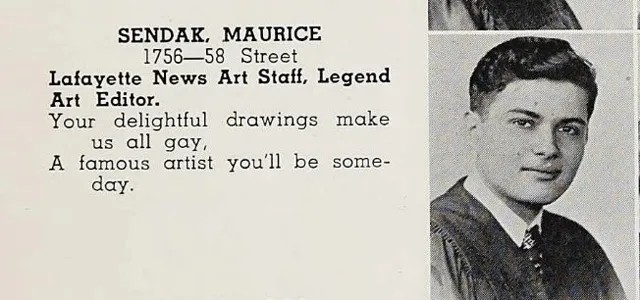
In 1941, Sendak enrolled at Lafayette High School. He always disliked school; the competition and crowded classrooms felt punishing. Unsurprisingly, the only class he enjoyed was art. He served as the yearbook art editor and on the art staff for the school newspaper. His work caught the eye of his physics teacher, Hyman Ruchlis, who hired Sendak to illustrate his nuclear science book, Atomics for the Millions. The book was released in 1947, making Sendak a published illustrator at only 19. He was paid 1% of the royalties with a $100 advance, his first paid job.
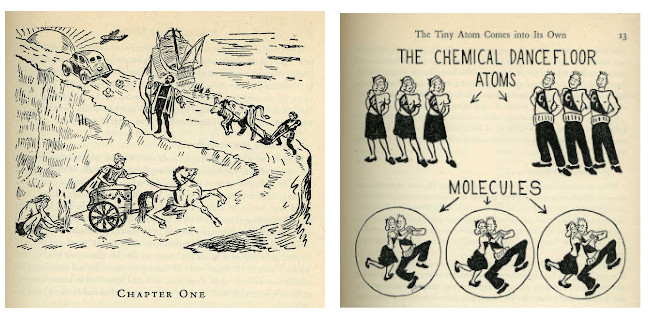
Sendak’s childhood in Brooklyn ends here, but his life was just beginning. In addition to the countless books, productions, awards, and honors, he was only a few short years from meeting his lifelong partner, Eugene Glynn. Sendak and Glynn lived together for fifty years until Eugene’s death in 2007. The couple lived in Ridgefield, Connecticut, where their home is now part of the Maurice Sendak Foundation’s research center for scholars and artists.

In 2011, as he was nearing the end of his life, he gave an interview about Bumble-Ardy, the last book published during his lifetime. He reflected on the loss of his partner, brother, sister, and dear friends, “I'm not unhappy about becoming old. I'm not unhappy about what must be. It makes me cry only when I see my friends go before me and life is emptied. I don't believe in an afterlife, but I still fully expect to see my brother again. And it's like a dream life.” ¹³
Sources
¹ Sutton, Roger. "An Interview with Maurice Sendak." The Horn Book, 1 Dec. 2003
² ⁷ ¹⁰ Brockes, Emma. "An Interview with Maurice Sendak." The Believer, 1 Nov. 2012
³ ⁶ Gross, Terry. "Artist, Writer and Designer Maurice Sendak." Fresh Air, WHYY/NPR, 30 Oct. 2003
⁴ Gross, Terry. "Looking Back on 'Wild Things' with Maurice Sendak." Fresh Air, NPR, 23 Oct. 2009
⁵ ¹¹ Gross, Terry. "Sendak on Childhood." Fresh Air, WHYY/NPR, 15 Apr. 1986
⁸ ¹³ Gross, Terry. "This Pig Wants to Party: Maurice Sendak's Latest." Fresh Air, WHYY/NPR, 20 Sept. 2011
⁹ ¹⁴ Wagner, Erica. "Wild and Dark Things." The Times, 13 Dec. 2003
¹² Gross, Terry. "Children's Book Writer and Illustrator Maurice Sendak." Fresh Air, WHYY/NPR, 22 Sept. 1993
This blog post reflects the opinions of the author and does not necessarily represent the views of Brooklyn Public Library.
Post a Comment
While BPL encourages an open forum, posts and comments are moderated by library staff. BPL reserves the right, within its sole discretion, not to post and to remove submissions or comments that are unlawful or violate this policy. While comments will not be edited by BPL personnel, a comment may be deleted if it violates our comment policy.
eNews Signup
Get the latest updates from BPL and be the first to know about new programs, author talks, exciting events and opportunities to support your local library.