In 1900, Ellen Kay, a Swedish writer wrote a book entitled The Century of the Child. A sociopolitical treatise, in it she proposed that it was time for the rights and needs of children to be addressed. She placed a strong emphasis on their autonomy and how society was affecting their upbringing. With a chapter entitled “Soul Murder in the Schools” Kay made the case for sweeping changes to not only the way a child was educated but also the way they were viewed by all of society. Prior to this the notion of childhood as a time of discovery and play did not exist. Children worked right alongside their parents. They provided food and stability. It was unheard to think that children and their childhoods should be a protected time – one dedicated to love and nurture.
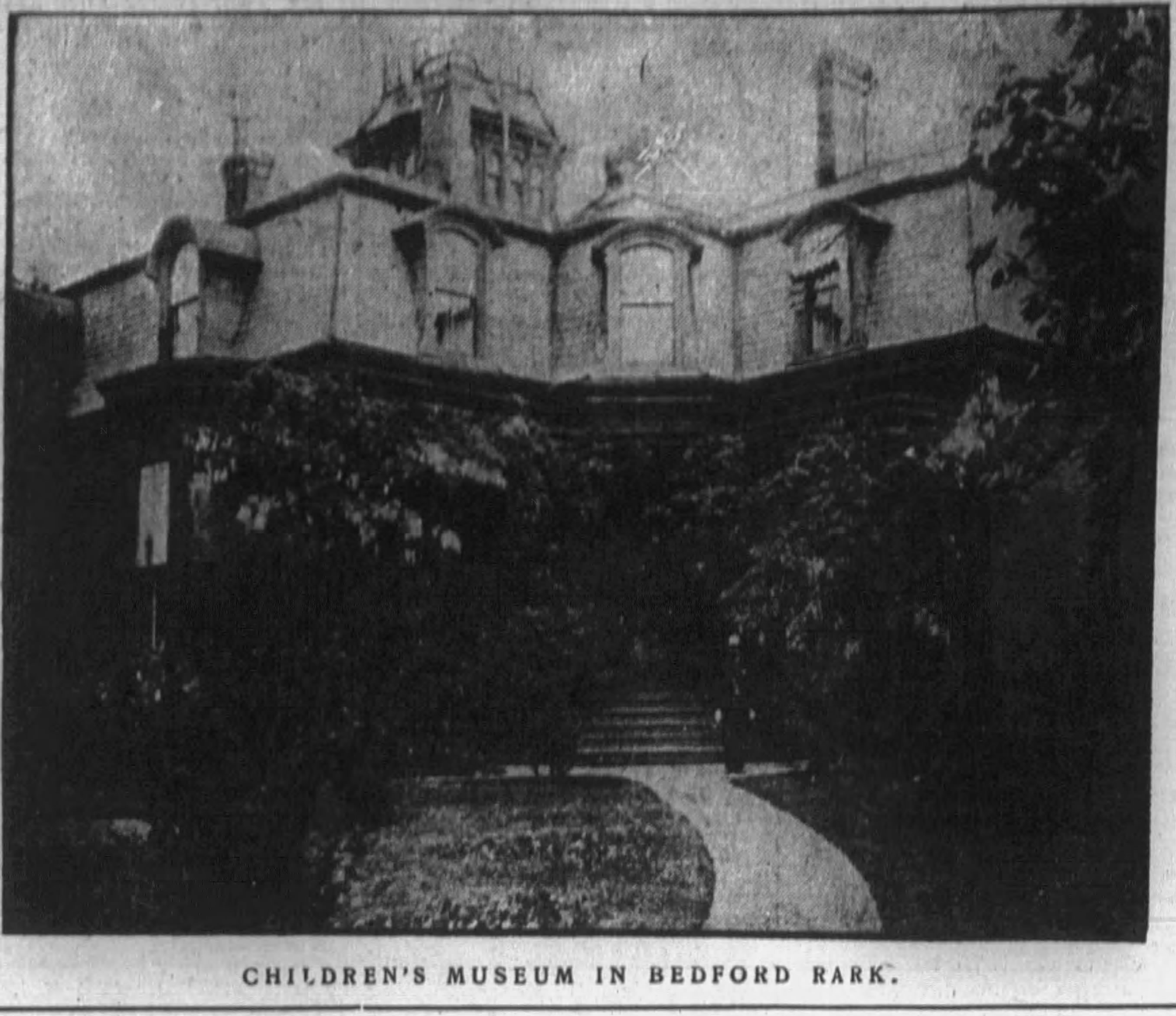
It was considered a groundbreaking work. And Kay was not the only person who had begun to think about the ways that children were viewed. A year before, in 1899, in a home on 115-119 Eight Avenue in Brooklyn – a house referred to as The Adams House – the first museum dedicated to children was founded by the Brooklyn Institute of Arts and Sciences – now known as The Brooklyn Museum.
And attendance grew quickly. By October 1905 monthly visitations exceeded 13,000. By 1930 monthly visitations exceeded 60,000 and by 1939 the museum had received more than 9 million visitors since it opened in 1899. The Century of the Child, indeed!
According to it’s mission statement, The Brooklyn Children’s Museum, inspired by the vibrant borough it was founded in, ignites curiosity, celebrates identity and cultivates joyful learning.
The pioneering philosophy behind the Children’s Museum is that children are not just miniature adults and deserve institutions dedicated to their specific developmental stages.
Beginning in 1913 the first issue of the Children’s Museum News bulletin was released. It’s purpose was to document how the youth of Brooklyn were utilizing the museum as well as to keep the museums ever growing collection in the public eye. In the first issue they highlighted that Mr. Austen M. Curtis had donated to the museum a collection of insects which he cultivated in Rio de Janiero, Brazil. Included with the insects, is the one the bulletin highlighted – the Brassolis astyra – the Night Flying Butterfly. While it is common for moths to fly at night, it was rare to see a butterfly.
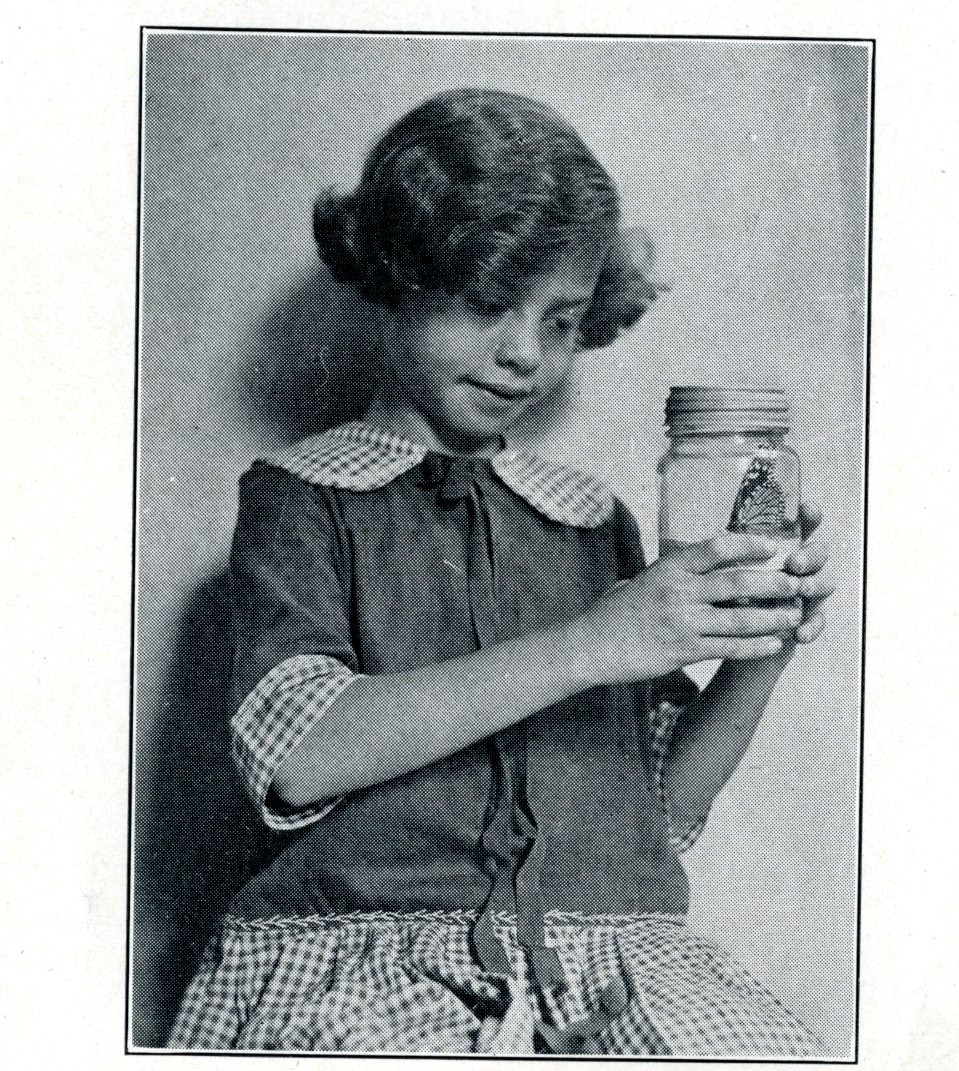
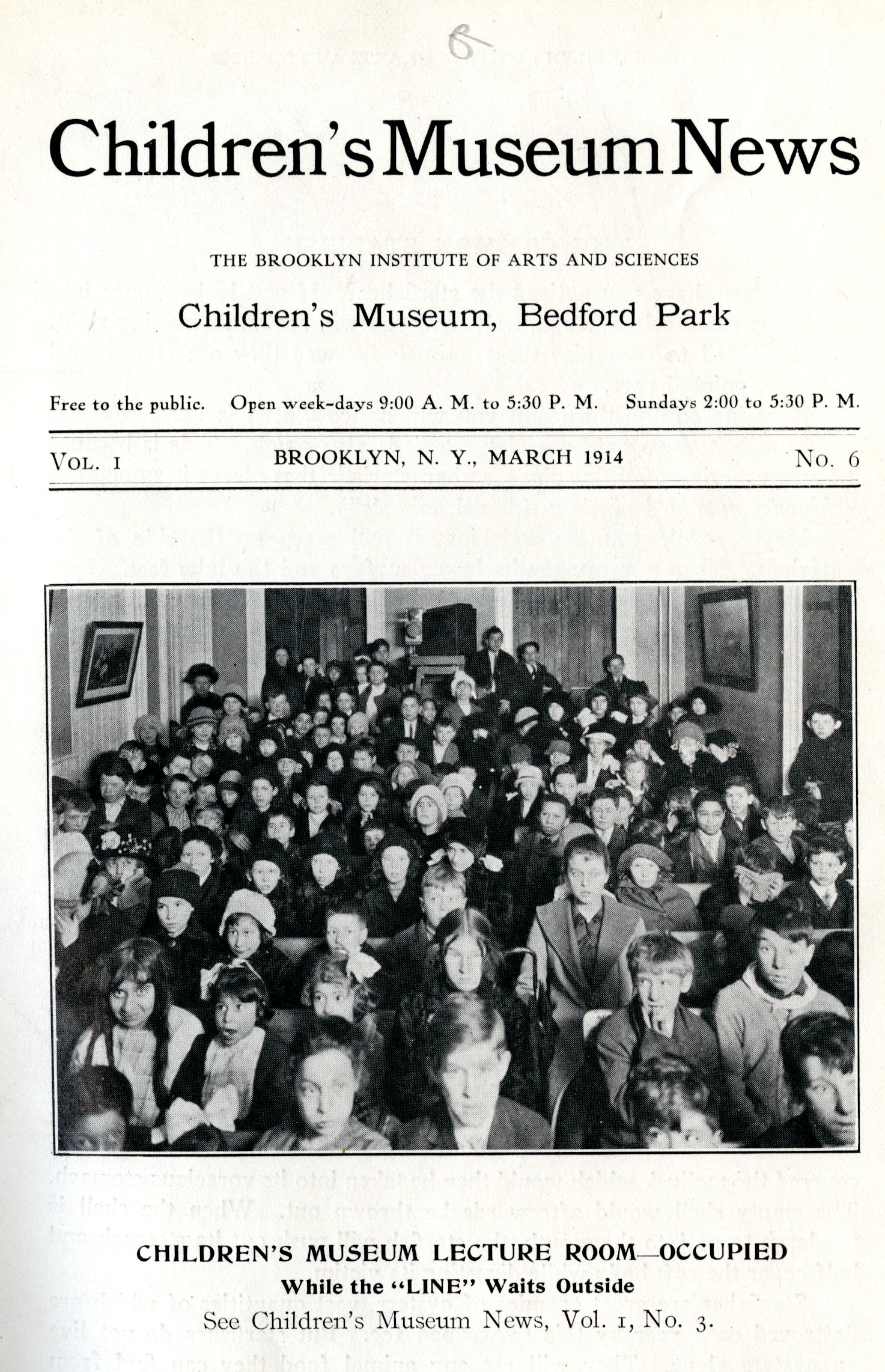
In the March 1914 issues of the Children’s Museum Newsletter, a child is quoted as saying “I wish you would show me some living things now, I’ve been looking at dead things for a long while.” And much to the ten-year-olds surprise, the live things appeared.
They included Plato, the Spider Monkey, a, sadly unnamed, hog-nosed snake, tadpoles, water newts, and a number of American and European Common Goldfish.
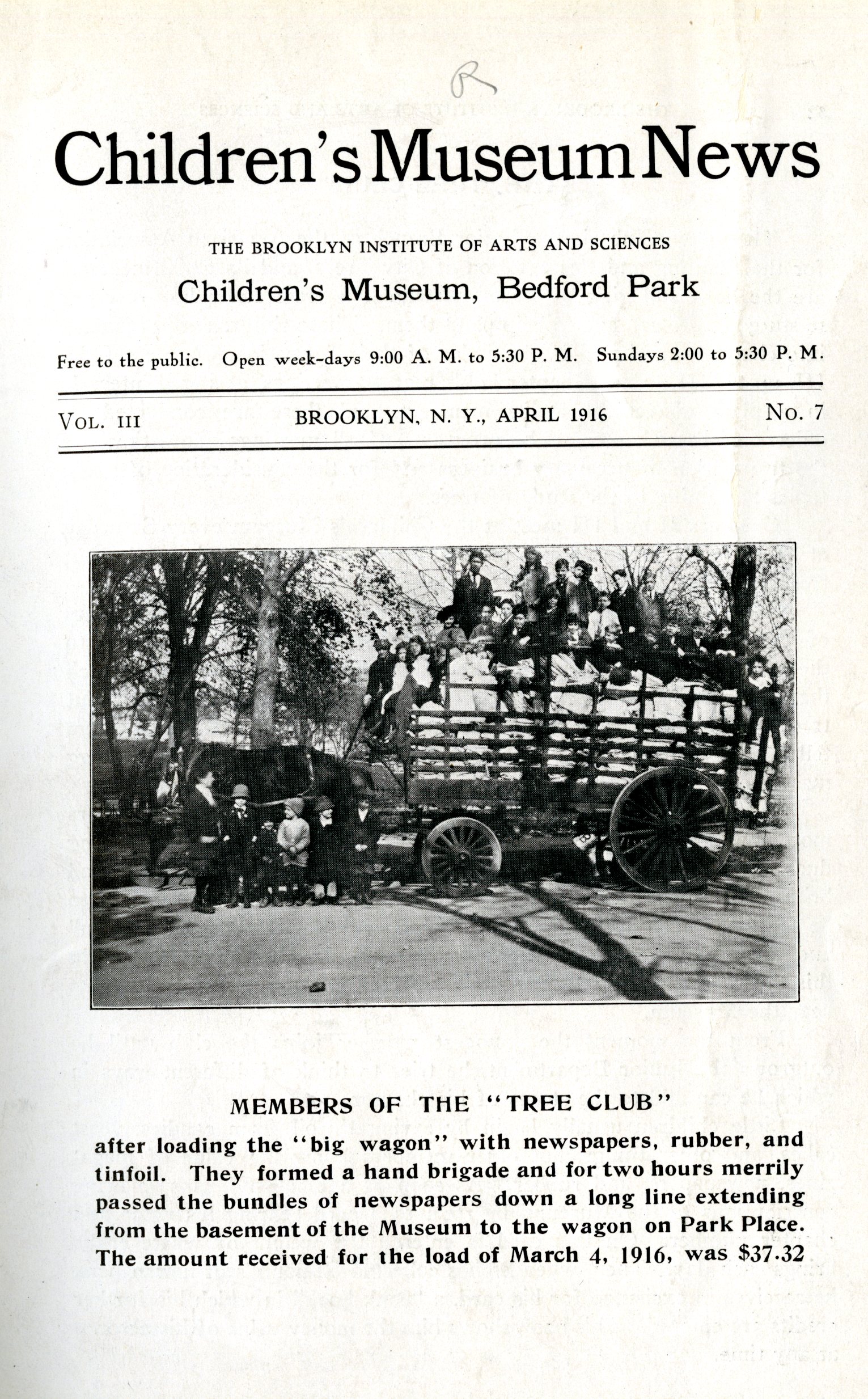
By April of 1916, the Museum had created the “Tree Club” a Junior Branch of the American Association for the Planting and Preservation of City Trees. It’s 5,000 members are kids who love trees and are eager to study, protect and help plant them.
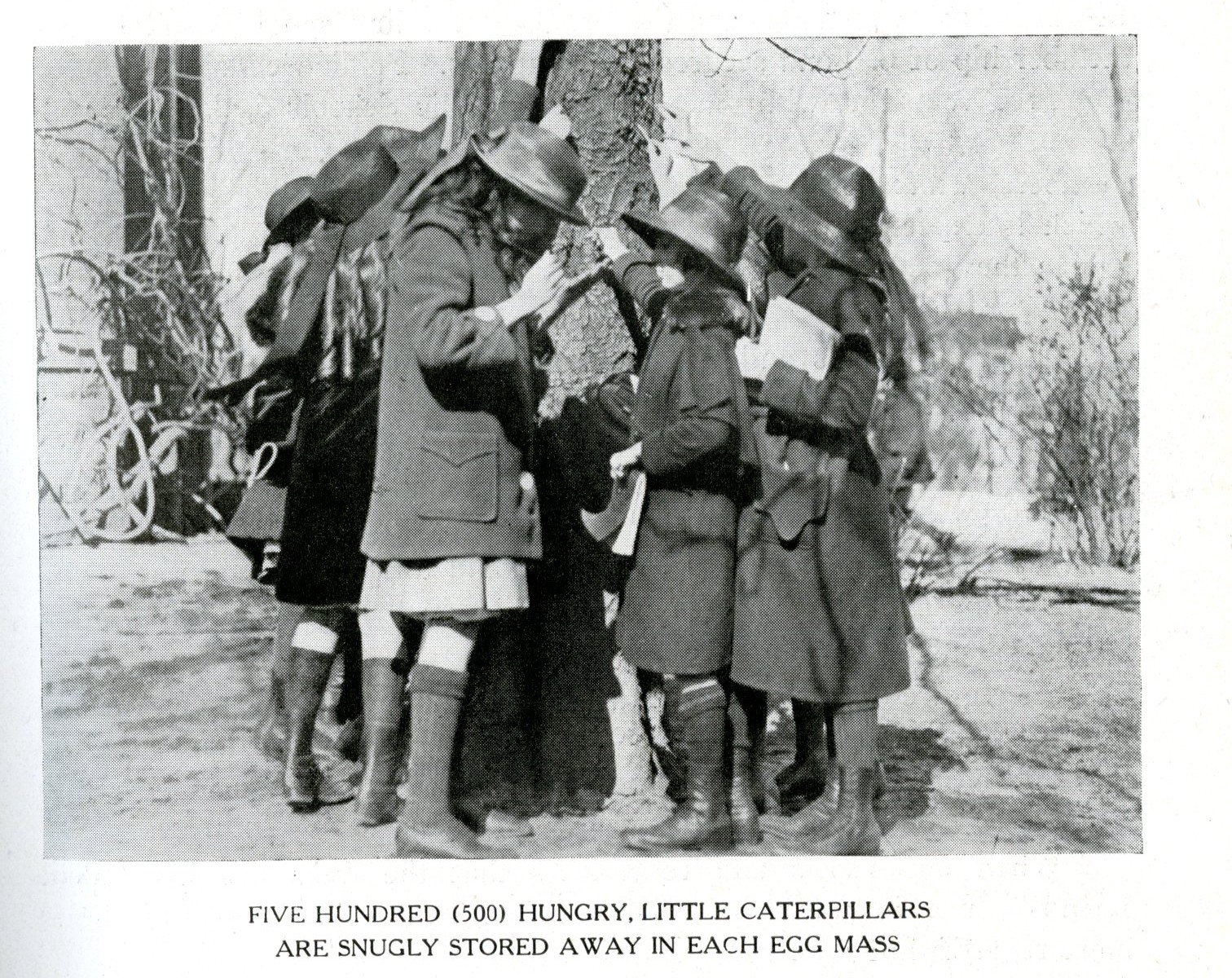
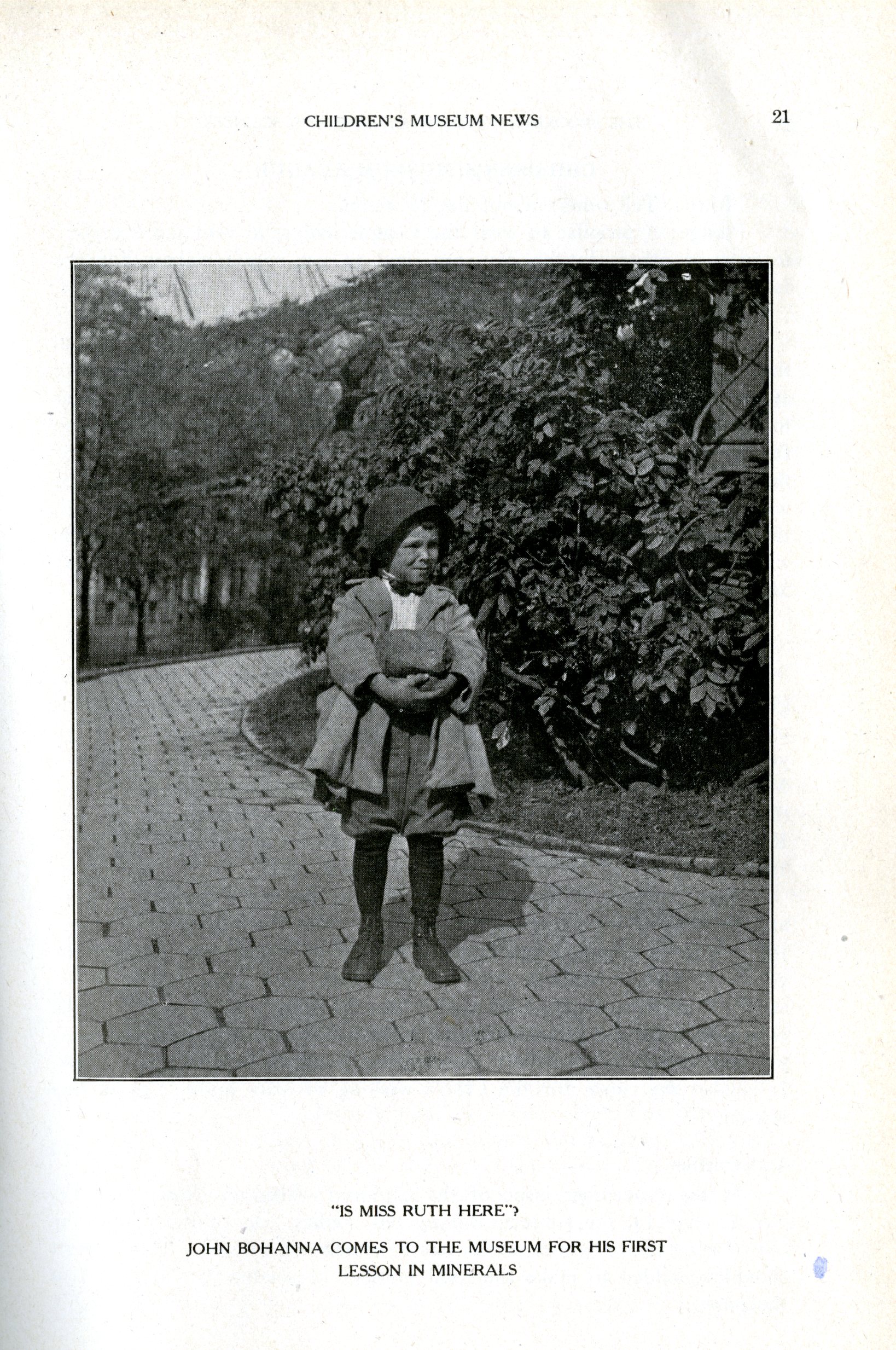
In 1919, field trips had been incorporated, the first of which was to study rocks and minerals that had been unearthed by the digging for the new subway along Eastern Parkway. And since this material had been collected by ice sheets hundreds of miles to the north, it brought with it a remarkable diversity of rocks, many of which the children could catalog and name. The second was to Prospect Park to study birds, the third was along the shore at the end of Flatbush Avenue to see the life in the tidal flats. Fiddler crabs, starfishes and eels skins lead to much excitement. The third was to see early Brooklyn settlements in Flatlands. The fifth and final field trip was along the Palisades from Fore Lee Freey to Dykeman Street Ferry. Here the children tried to figure out why the Hudson River was salt for 75 miles upstream.
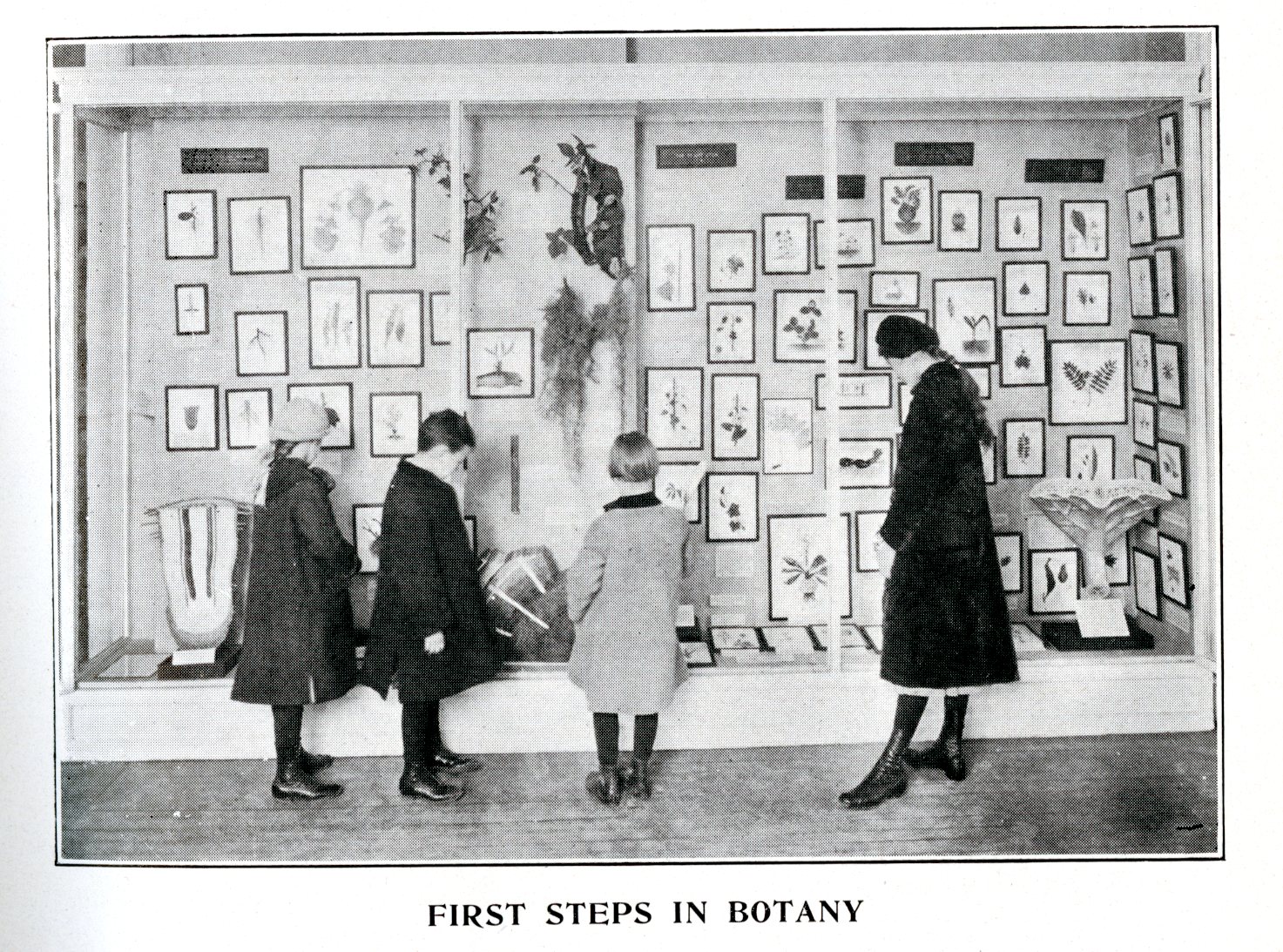
And the field trips didn’t stop there because in 1924 there were more. By now the Children’s Museum was catering to both older and younger children and in their newsletter they are delighted to report that the older children, “who had taken the trips in former years showed lively interest in the comfort and welfare of the younger ones and exhibited genuine unselfishness in sharing specimens. Contests for honors were spirited and persistent but friendly withal and free from any evidence of jealousies”
A successful outing!
The Children’s Museum Newsletter is a part of our Brooklyn Institute of Arts and Sciences publications and ephemera collection. Included with the Children’s Museum reports it also houses Brooklyn Institute of Arts and Sciences, Brooklyn Academy of Music, Brooklyn Botanical Garden and the Brooklyn Museum documents.
Publications date from 1861 to 2000. It is a rich collection highlighting the cultural institutes that make this borough so special. As the Brooklyn Children’s Museum was the world’s first cultural and education center devoted entirely to children, it’s important that its past is preserved.
This blog post reflects the opinions of the author and does not necessarily represent the views of Brooklyn Public Library.
Post a Comment
While BPL encourages an open forum, posts and comments are moderated by library staff. BPL reserves the right, within its sole discretion, not to post and to remove submissions or comments that are unlawful or violate this policy. While comments will not be edited by BPL personnel, a comment may be deleted if it violates our comment policy.
eNews Signup
Get the latest updates from BPL and be the first to know about new programs, author talks, exciting events and opportunities to support your local library.