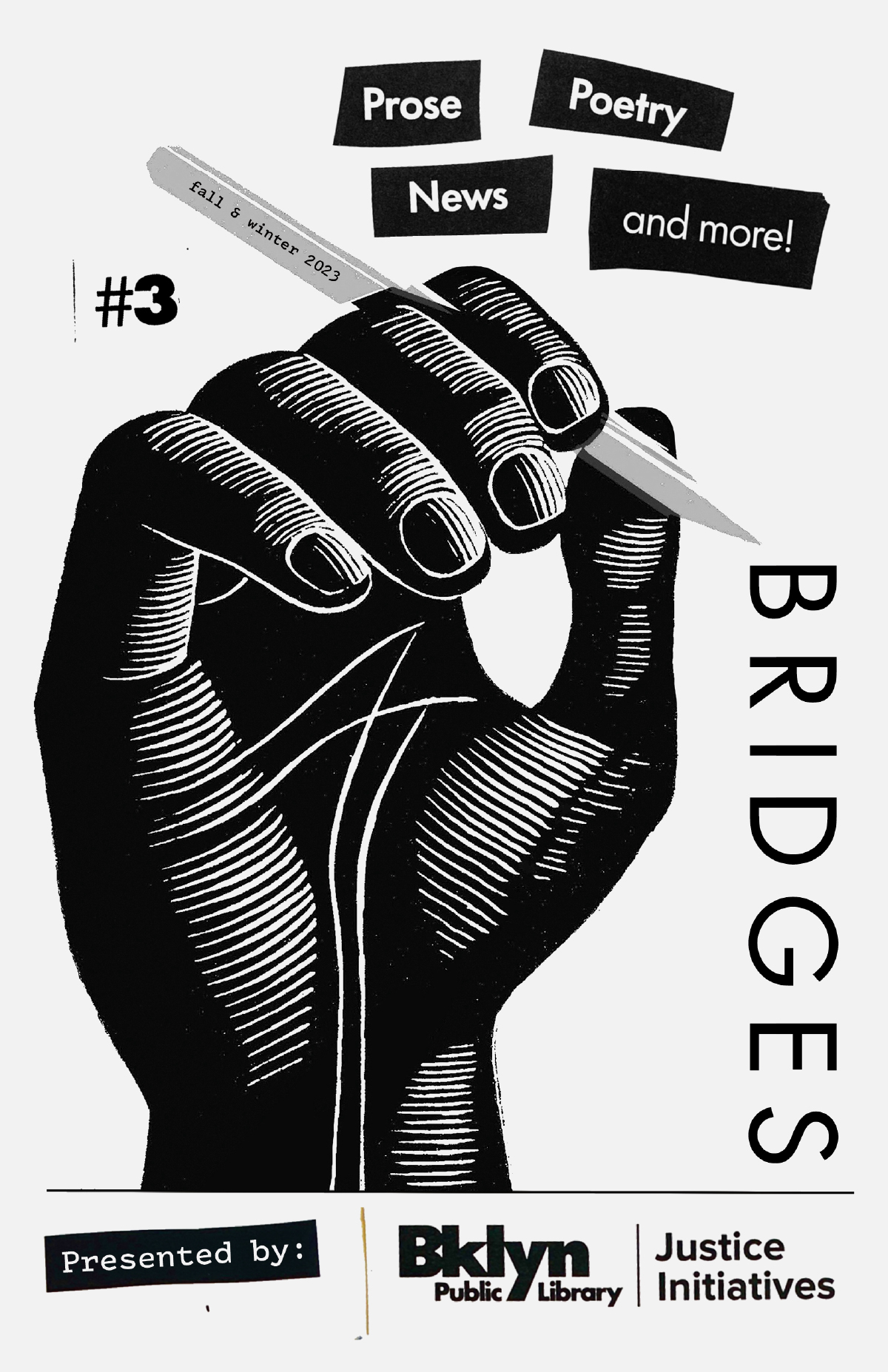
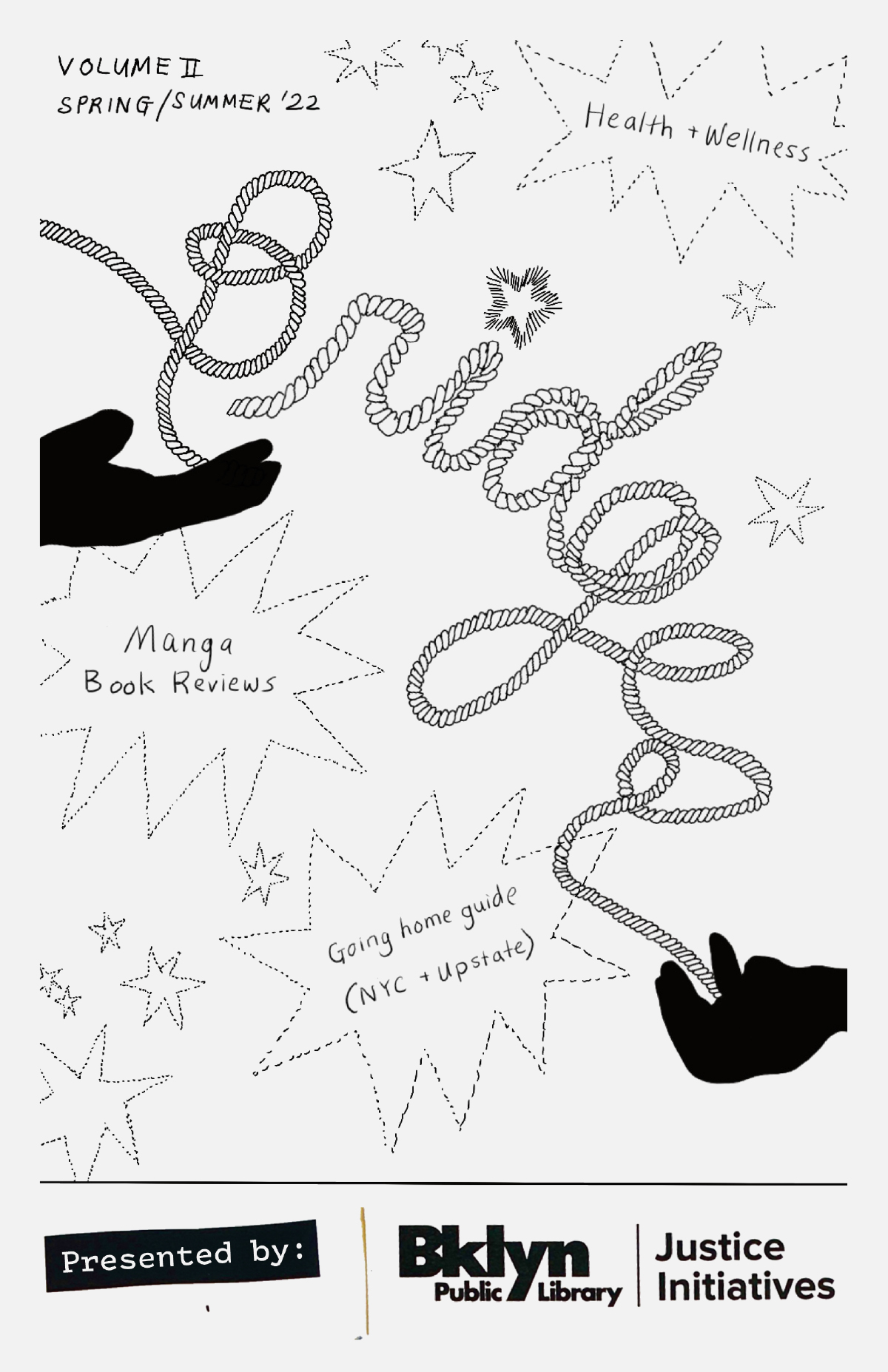
Bridges is Justice Initiatives’ zine created by and for our patrons incarcerated in New York State prisons and jails. A typical issue features writing and artwork by incarcerated contributors, alongside games, puzzles, programs, resources, and news relevant to our readers. While Bridges is produced for an incarcerated audience—and our print editions continue to be distributed almost entirely within prison walls— we have created a public digital archive of all issues and encourage its use and distribution for educational and practical purposes that honor the spirit of its contributors.
Zines
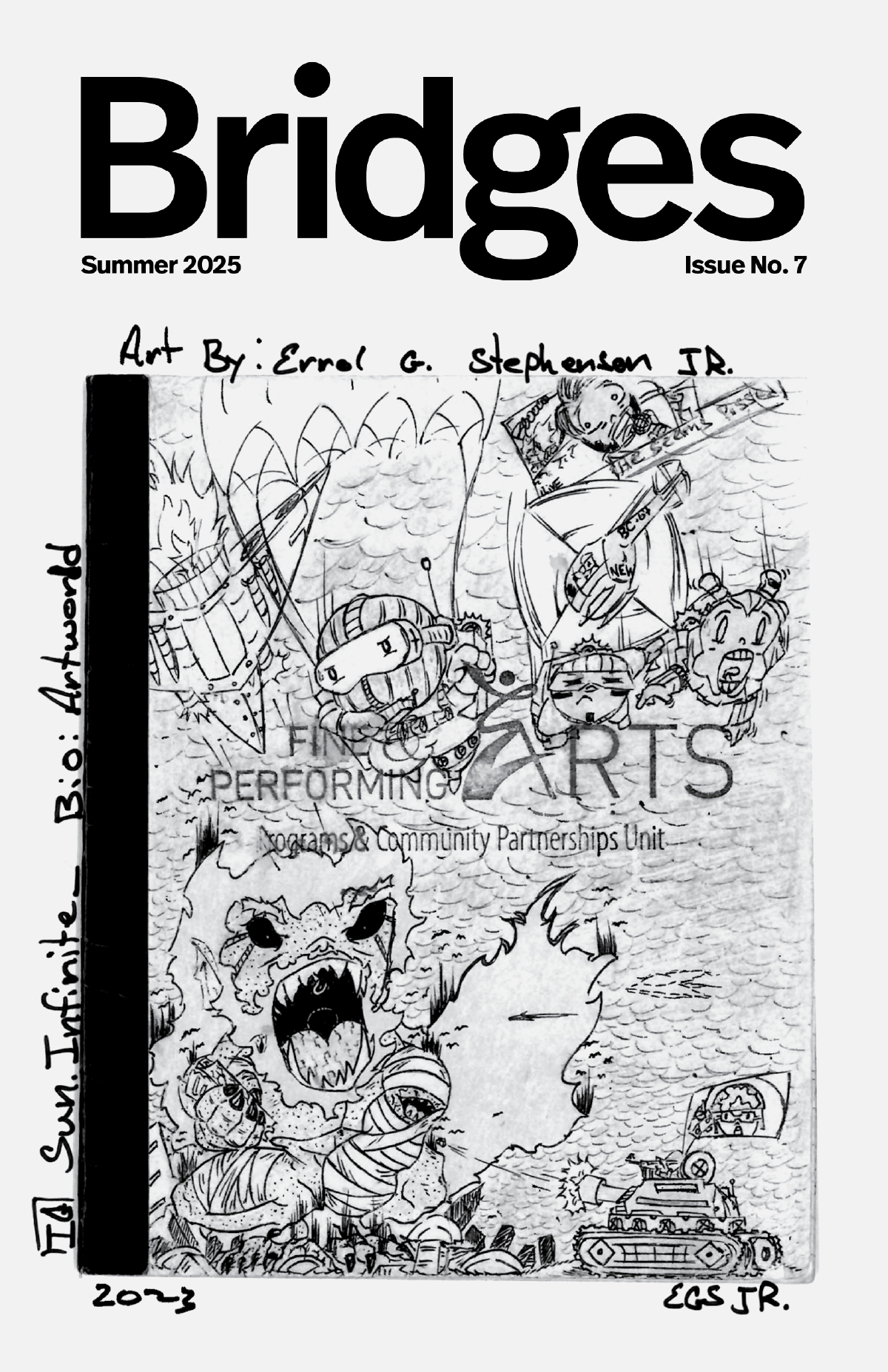
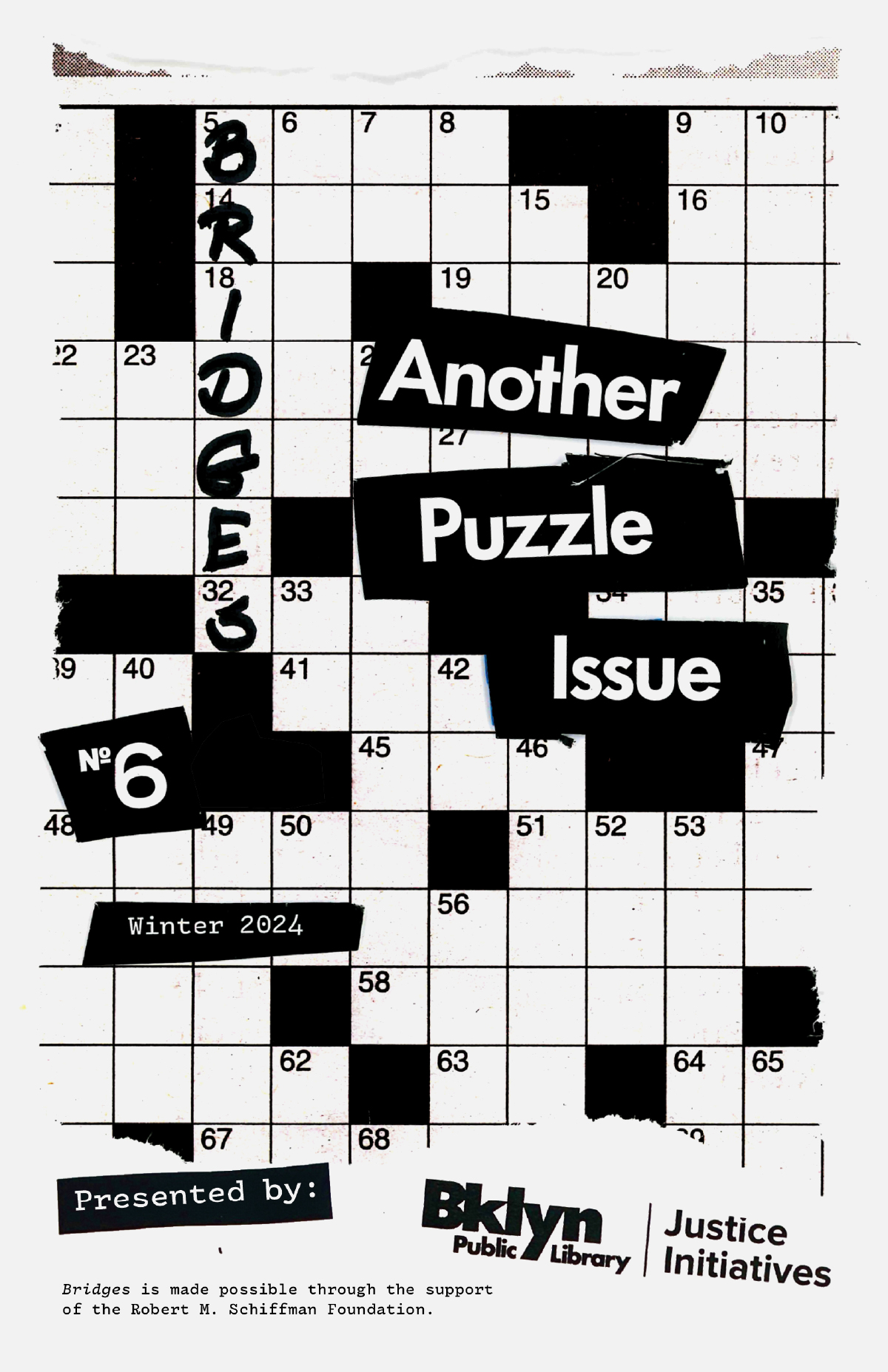
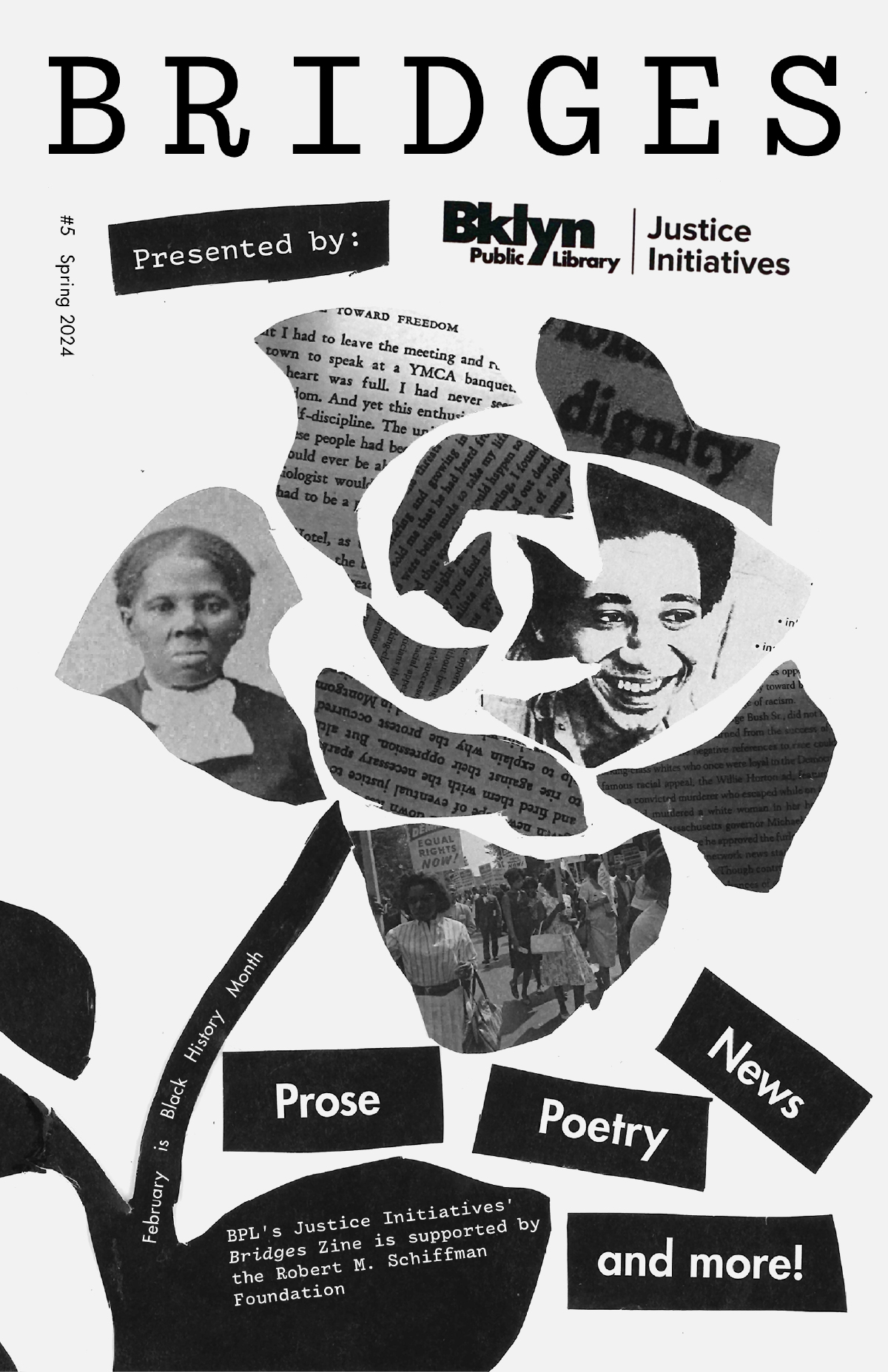
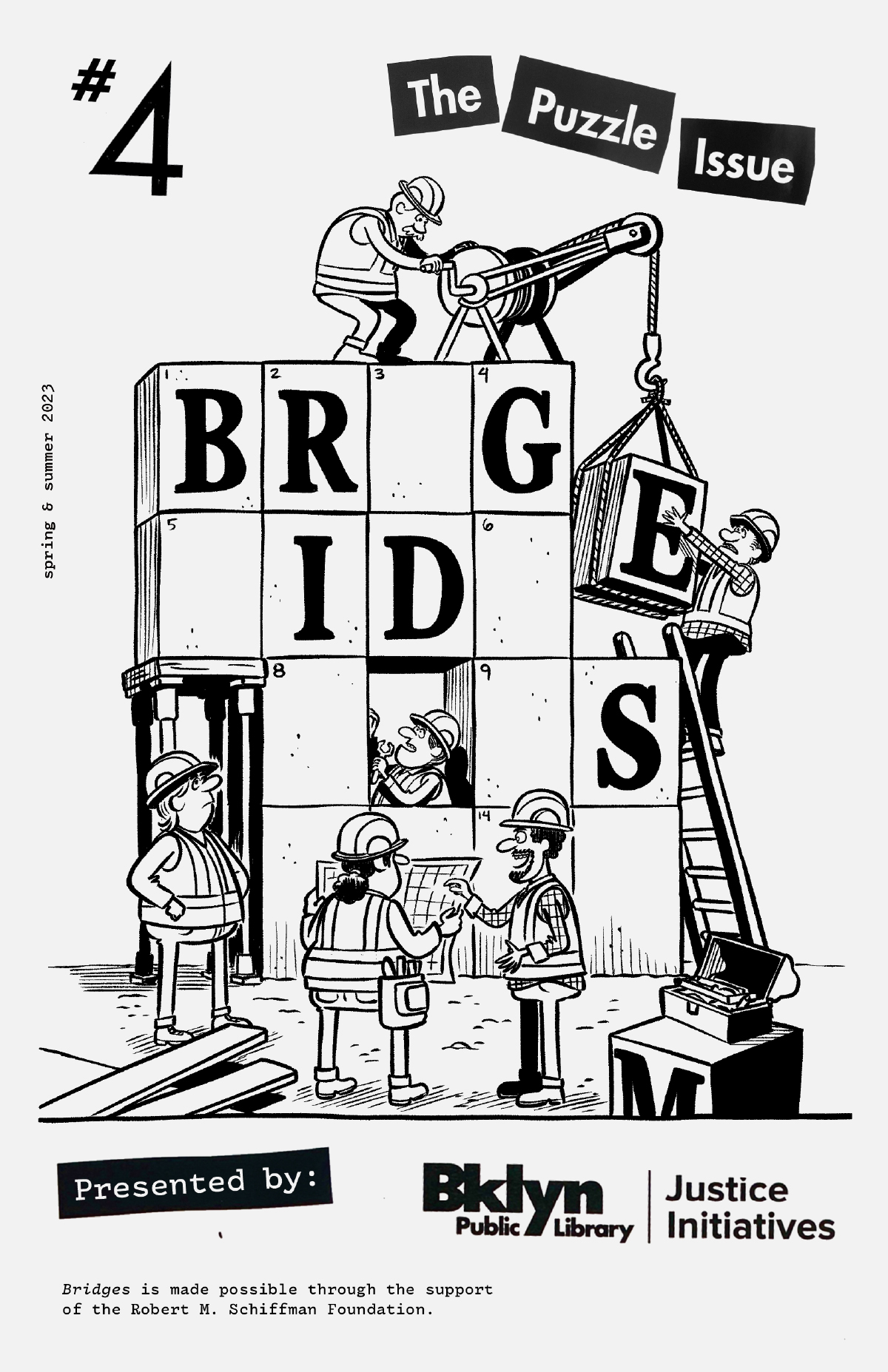
History
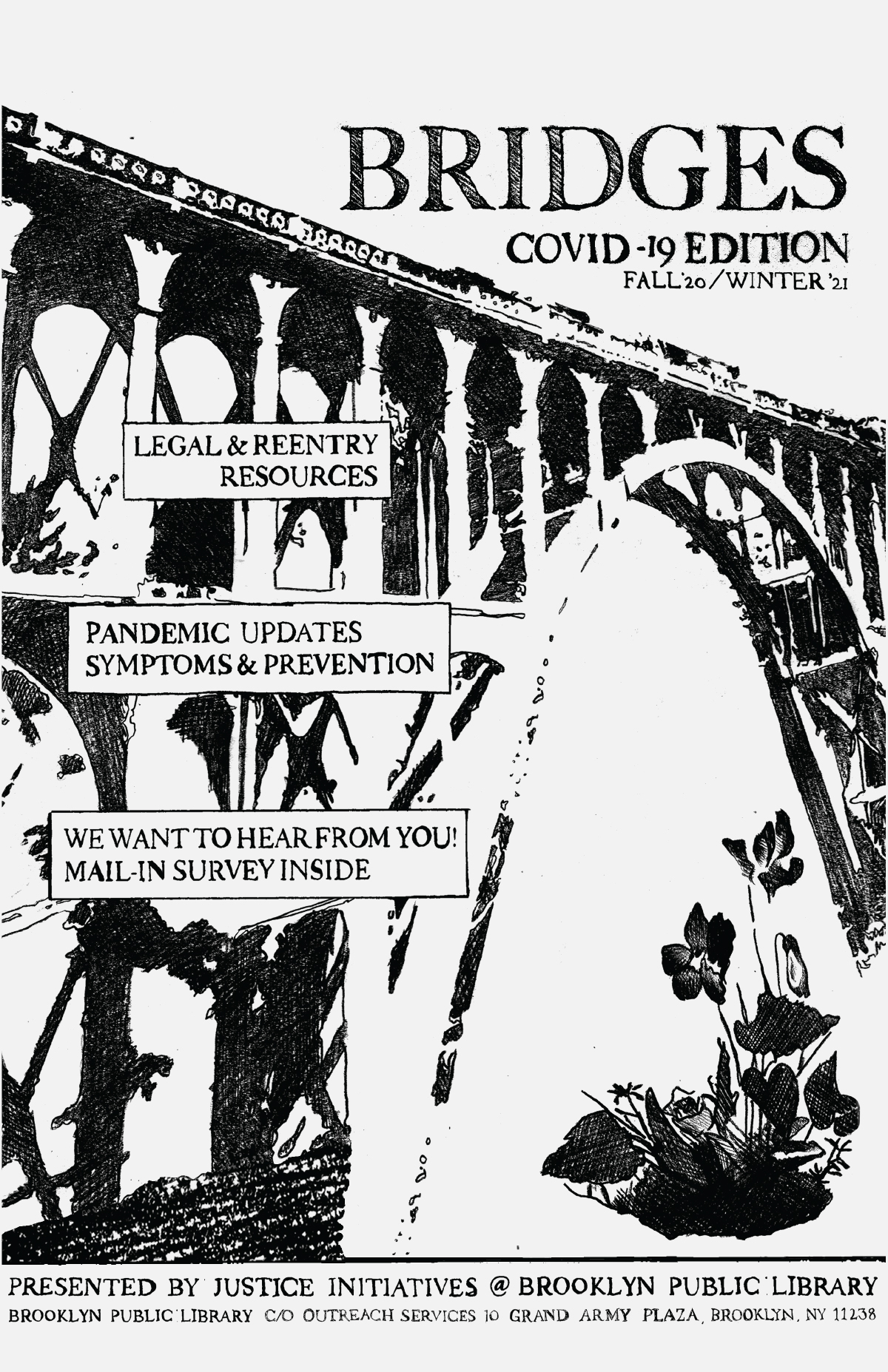
Bridges started in 2020 as an urgent response to the COVID-19 pandemic—incarcerated people were among the most at risk of getting sick, while facing extreme barriers to getting information on how to protect themselves. While we were no strangers to a busy mailroom, the surge of letters we saw from incarcerated patrons in the first months of the pandemic was unprecedented. People were looking for answers on how to stay healthy, what information they could trust, and how to assert their right to a safe environment.
We put together Issue #1 of Bridges to push back against the rumors and misinformation circulating in prisons and jails, and to share accurate, accessible information about COVID-19, general wellness during lockdown, and incarcerated people’s rights to healthy living conditions.
The response to the first issue was overwhelmingly positive. Encouraged by the feedback we received, we decided to keep the zine going and expand its purpose, making Bridges a space where incarcerated writers and artists could share their work. Since then, Bridges has grown into something much bigger—now regularly receiving over 100 submissions per issue—and has made room for special projects, like puzzle-focused issues curated by Kate Chin Park, offering readers a creative and engaging way to pass time during long stretches of isolation.
Staying true to its origins, Bridges has also become an important way to share practical resources with patrons inside. Each issue highlights information readers can actually use—from legal support and advocacy groups to books-by-mail programs, educational opportunities, and reentry services.